
Posts

Web Content Topic Ideas To Smash Writer's Block

writers-blockHaving trouble thinking about what topics will engage your viewers? Great website content will never go out of style. Not only will it engage your visitors and encourage them to share what they find, it's also hugely important for SEO. That said, it's not always easy to hit the topic sweet spot. Here are some tips that will help to develop compelling topic ideas for your web content:

1. Write what you know. The hardest question of content is what to write. The fact is, you probably already have the answer. Your content should be related to your specific industry or business, utilising your knowledge and experience. A lot of the things you take for granted may be fascinating to an outsider, and offering in-depth strategies and opinions will appeal to others in your field. Become an authority, an interesting voice, a place to come for new ideas and thoughts, and visitors will make a point to return.

2. Base your topic around a keyword or phrase. Even once you know your general subject, coming up with specific article ideas can be tricky. Google's Keyword Suggestion Tool gives you the cold hard data on which keywords are frequently being searched, along with related queries (e.g. if you type in "double glazing", you'll see a bunch of variations like "what is double glazing" and "upvc double glazing"). These results can be run through Übersuggest to present different topic ideas and opportunities.

3. Give something for free. Freebies can work a treat. Think about giving away digital downloads such as eBooks, PDFs or graphics, as well as coupons and discount codes for physical products and services. Think of a complementary business that may want to provide a discount to their service in exchange for being exposed to your viewers. Giving something worthwhile away is a nice way to thank your viewers and will build loyalty to your business.

4. Diversify your content types. Not all posts need to be made out of text: info graphics, videos, webinars and web links all count as useful content. Varying content type will get you thinking more creatively about topic ideas, and will be refreshing for the reader.

5. Lists, quick tips and how-tos are always popular. It's always nice to have a staple to fall back on, and relevant, original lists and guides are useful and shareable. Utilise your industry knowledge to show readers something they might not normally know how to do, or create a list of top resources based on your experience and opinions (e.g. "6 Ways To Save Money With X", "10 Things You Probably Don't Know About Y" etc).

6. Create a series. A weekly or monthly regular such as an in-depth look at a certain aspect of the industry, or a continued extended guide for setting up a strategy or campaign will create a regular reason for readers to check back. It also allows you to go into more detail and provide more specialised knowledge, making you the authority on that topic.

7. News updates. The internet moves fast and your content topics need to move with it. Stay well-versed in your industry's news and developments, and try to pre-empt what the next big talking point will be. Aim to be the first to break a story, analyse a new product or development, or offer an intelligent, fresh opinion.

If that hasn't helped you to smash writer's block, then get in touch to talk about specific topic ideas for your website.

Netwise News Website Design

Tips for Effective Website Redesign

logo-rebrandingThinking about giving your website an upgrade? Keeping your website fresh and modern is essential for engaging customer interest. An up-to-date website signals an active business that is on board with the latest trends.
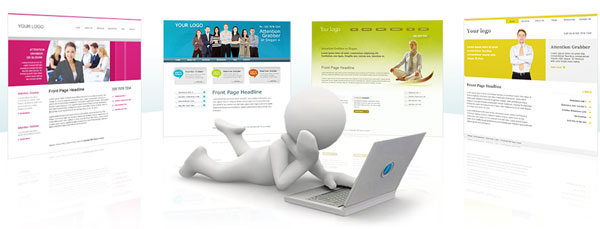

A website redesign can sometimes be tougher than creating from scratch however. There are tough decisions to be made; mixing the components that are already working well with new elements can be a tricky balance.

Consider the following key points when planning a major overhaul.

Re-identify your target audience. Chances are your business has changed significantly since you developed your previous website. Perhaps you have discovered your niche, or conversely have opened up new audiences and avenues of business. A website redesign is an excellent time to reconnect with your intended audience and decide what content is the most important on your website going forward.

Review your content and goals. Similarly, you may now want your website to do different things. Would a blog add to the customer experience and boost SEO? Are there new products or ways of making purchases you could include on your website? Should you add more video? Analyse the way you want users to interact with your site. Creating outstanding content is the key to getting a website firing on all cylinders.

Keep the essence similar. If it's too strange and new, you may risk alienating existing clients with a complete website overhaul. You don't want to make them feel like they're dealing with an entirely new company. To ensure the design flow, you may want to keep some of the old elements such as the colour, logo or overall page structure and rejuvenate and refresh them instead.

Keep SEO in mind. This is the number one mistake we most often see. A website redesign can profoundly affect search engine rankings due to the restructuring of the site. If possible keep the page URLs the same and use 301 redirects for any page URLs that have to change. Review what pages are popular and important on the old site and make sure these pages exist in the new site.

The hardest part about deploying an effective website redesign is often judging the balance between old and new. It's useful to consider combining your site rebuild with a business plan review and then ensure there's a strong relationship between the two.

Netwise News Website Design

Pondering Clean Web Design

Clean web design is part of an overall design trend towards websites that are intuitive, user-oriented, and minimalist. It means stripping back unnecessary elements and bringing that which is most important to the fore, and arranging it in a way that is clear and concise for the viewer. Doing this while still maintaining the personality and functionality of a website can be a tricky balance, but it is a worthy aspiration. Clean websites look fresh and modern, and will help to fulfil the overall goals of the site.

clean-design

Clean Web Design Tips And Best Practises

Clean up the content. Before you can design an efficient website, your content must be streamlined too. Select only what you truly need, prioritise in terms of what will meet the viewer's immediate needs and arrange it neatly. Use fonts, spacing and bullet points to create an accessible content scheme.

Think outside the box. Clean web design can work on a standard website layout, but it can be taken to new heights with a bit of ingenuity. Consider completely rethinking the way your site is laid out, taking into account the most important elements and pages. The best way to create intuitive design is to ask yourself how you'd expect something to work, and then follow through.

Embrace white space. White space has many benefits to a web designer: it instantly makes a site more modern and fresh, removes clutter and brings focus to what's actually on the page. Use this to draw the user's attention to where you want it, and seal the deal with the essential elements that fill it.

Make graphics work. When you go for a minimalist approach, it's essential that the content and graphics you do have are punchy, interesting and engaging. Ensure that what you have is enough to hold viewer attention and use clever graphic solutions to make a lasting impact.

Less is more. Don't fear emptiness. Clutter is distracting and dilutes the desired action path you want viewers to take.

Clean web design isn't for every business site, but where it fits it works well from both an aesthetic and marketing perspective. Although it is very much on trend, the core principles are solid and time-tested, meaning your creation will be valid and useful for years to come.

Netwise News Website Design

Web Design For Search Engine Rankings

seo-web-designThere are two main viewers who should be catered to in any good web design: your target audience, and search engines. The latter may seem rather strange to some, given that search engines don't exactly have eyes or a buyer's agenda.

It's important to realise, however, that search engines do in fact "read" your website in a very specific way. By scanning it and looking for certain criteria, they're trying to figure out whether your website is a good result to give to people searching for a particular phrase. Knowing these criteria and how to make your site look good to search engines is a crucial part of web design.

Some key ways to do this include:

On-page text. This might sound obvious, but in fact with many websites turning to flash-based design, they overlook a key aspect - this leaves no text on the page. Search engines cannot read flash, video or images, meaning anything contained with them is invisible, making it look like your site has zero content.Designing sections for continued content. Blogs and articles that are updated frequently are great ways to boost traffic, giving you extra opportunities for keywords and shareable content. It's a good idea to incorporate this into your web design from the beginning, making it a seamless addition rather than a tacked-on one.

Accessible social-media sharing buttons. Search engines such as Google are starting to value human endorsements more highly, and having your content shared on sites such as Twitter and Google+ is a sign that real people are reading it and finding it useful.

Headers and more headers. The keywords included in H1, H2 and bold formatting are given an extra boost in prominence.

Search engines generally give priority to the first 200 or so words that appear on your site, so make sure they contain the essential keywords you're targeting.

Use Google Webmaster Tools to "fetch as Google" to see how the biggest search engine in the world is seeing your website. It'll show you the words it recognises and indexes your site by, and will inform you if there are any issues.

Web design for search engine rankings is a long term investment and a moving target - but getting top ten rankings can make a huge difference to the performance of your website.

Netwise News Website Design